Roof valleys play a vital role in your roofing system. They are the channels where two roof slopes meet, directing rainwater safely into your guttering. Because they handle large volumes of water, they are one of the most vulnerable areas of the roof. When a roof valley begins to fail, leaks can spread quickly, causing water damage, timber decay and internal staining.
Understanding why roof valleys fail and how to identify early problems helps homeowners prevent costly repairs. With professional advice from RGS Roofing Services in Essex, you can keep your roof valleys watertight and in excellent condition for years to come.
What a Roof Valley Is and Why It Matters
A roof valley is the section where two roof sections meet and create a natural channel for water flow. This area must be perfectly sealed and properly constructed, as it is constantly exposed to flowing rainwater.
When valleys fail, the problem often spreads to other parts of the roof because water naturally finds the weakest point. Proper installation and regular maintenance are essential to prevent long-term damage.
Common Causes of Roof Valley Failure
Roof valleys fail for a range of reasons, often due to age, weather exposure or poor workmanship.
Poor Installation
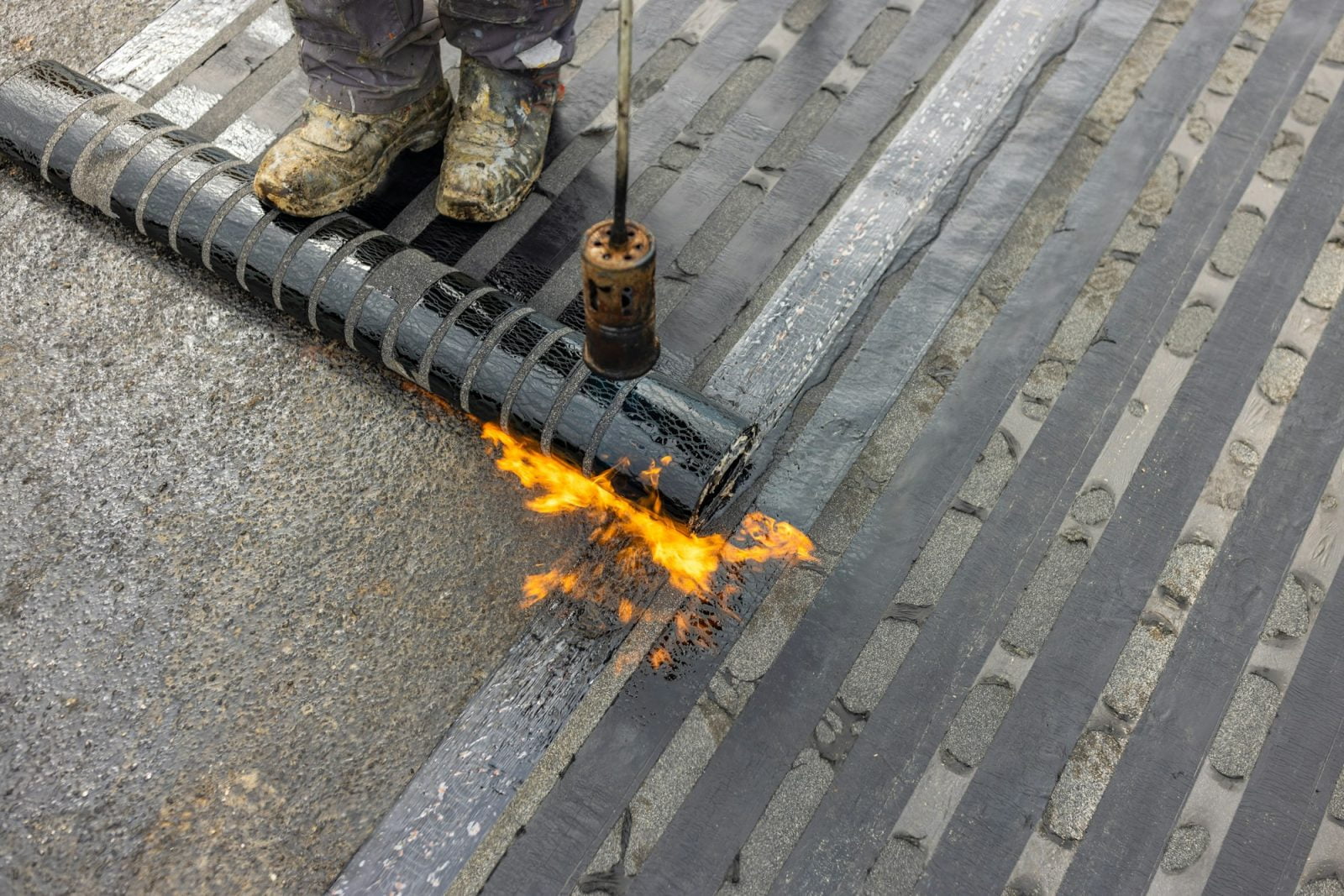
Incorrectly fitted valley liners, improper overlaps or insufficient sealing can all lead to early deterioration. Poor installation is one of the biggest causes of repeated leaks.
Weather Exposure
Roof valleys experience constant water flow during rainfall. Heavy storms, snow and freeze-thaw cycles wear down materials over time, causing cracks, splits or lifting.
Material Breakdown
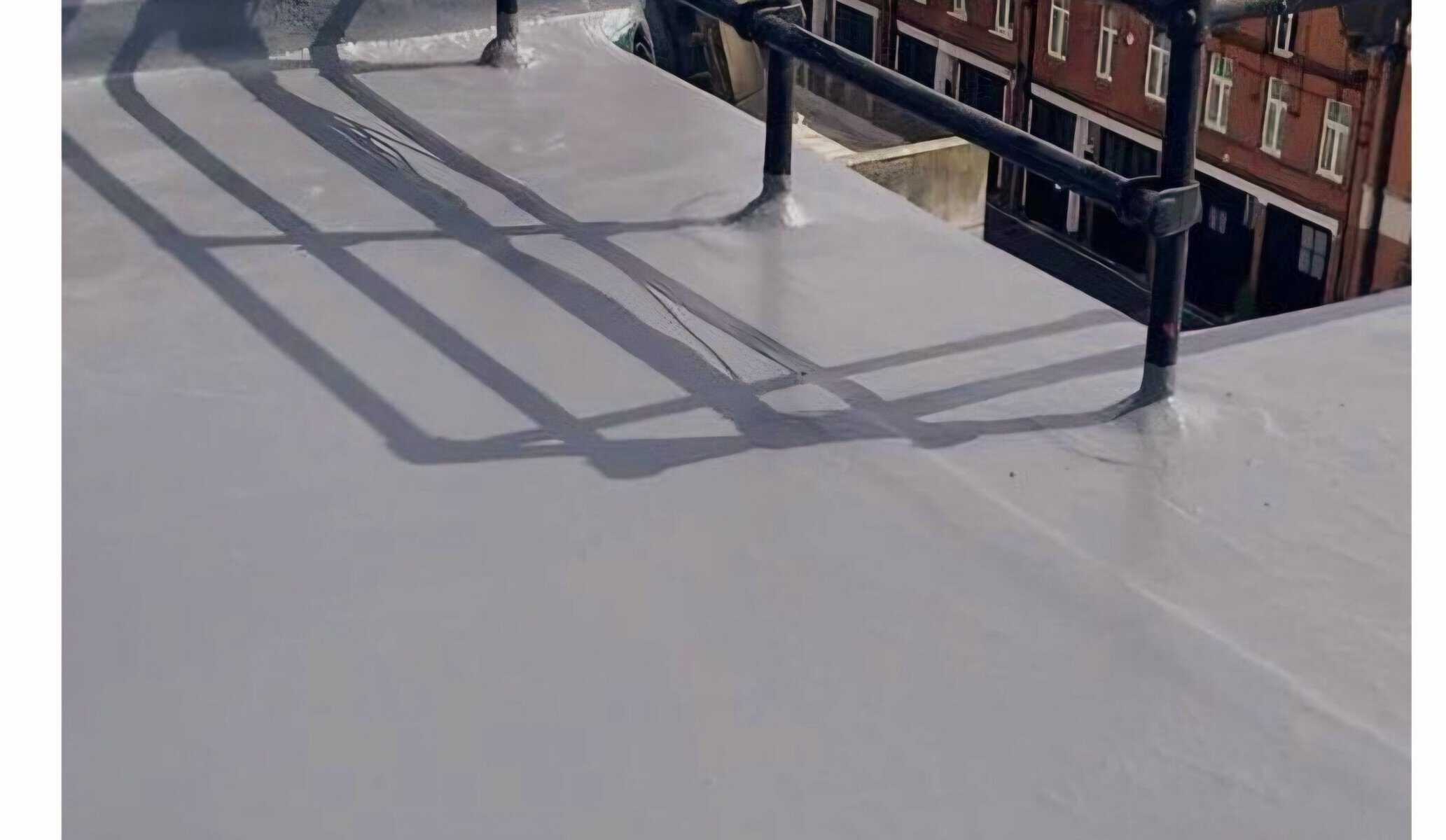
Traditional felt-lined valleys or older cement systems may degrade due to age. Modern materials such as GRP, metal liners or specialised valley troughs offer better durability.
Debris Buildup
Leaves, moss and dirt can trap moisture in the valley, slowing drainage and causing the underlying materials to rot or weaken.
Tile Movement
Tiles around the valley may slip, shift or crack, leaving gaps where water can penetrate during heavy rainfall.
Roof Structure Movement
Buildings naturally settle over time. Even minor movement can cause cracks or misalignment in the valley, leading to slow leaks.
Early Warning Signs of Valley Problems
Identifying early signs of roof valley damage helps homeowners act before leaks spread.
Internal staining on ceilings or upper walls
Damp patches near the valley area in the loft
Visible gaps between tiles and the valley liner
Cracked, slipping or missing tiles around the valley
Debris buildup or moss covering the valley
Metal valley flashing that is rusted, lifting or bent
Water running behind tiles instead of down the valley
Any of these symptoms indicate that the valley may already be compromised.
How Roof Valley Leaks Cause Damage
When a valley begins to leak, water quickly finds its way into vulnerable areas such as:
Roof timbers
Underlay and battens
Insulation
Ceiling plaster
Internal walls
Left untreated, leaks from roof valleys can cause mould, structural decay and electrical hazards. Because the valley handles so much water, even a small defect can lead to serious damage.
Repair Options for Roof Valleys
Different repair methods may be used depending on the roofing material and the level of damage.
Re-Bedding or Replacing Tiles
Loose or cracked tiles along the valley edge are replaced and secured to restore proper water flow.
Installing a New Valley Liner
If the liner has cracked or deteriorated, a new one is installed using durable materials such as GRP or metal valley trays.
Repointing or Resealing
Mortar or sealant may be renewed to secure tiles and prevent water penetration.
Full Valley Replacement
If the valley has failed extensively, a complete rebuild ensures long-term stability and performance.
Improving Drainage
Debris is removed, and the valley is reshaped if needed to ensure water flows freely without pooling.
Choosing the Right Valley Material
Different materials are used depending on roof style and desired lifespan.
Metal valleys
Durable and long-lasting under heavy water flow.
GRP (fibreglass) valleys
Lightweight, water-resistant and suitable for modern roofs.
Concrete or tiled valleys
Traditional option but often more maintenance-heavy.
RGS Roofing Services helps homeowners choose the best material based on roof type, weather exposure and budget.
Prevention and Maintenance Tips
To prolong the life of your roof valley, regular maintenance is essential.
Clear moss and debris at least twice a year
Inspect tiles along the valley edge after storms
Check for cracks or gaps during seasonal inspections
Ensure guttering is clear so water drains properly
Schedule periodic roof surveys to catch issues early
A simple cleaning and inspection routine can significantly reduce the risk of roof valley leaks.
How RGS Roofing Services Repairs Roof Valleys
RGS Roofing Services provides expert valley repair and replacement for homes across Hornchurch and Essex. Our team examines the valley structure, surrounding tiles, flashing and underlay to determine the exact cause of the leak.
We repair or rebuild the valley using high-quality materials designed for long-term performance. Every project is carried out with precision to ensure water flows correctly and the valley remains watertight for years. Whether your valley has cracked, lifted or been damaged by storms, we deliver durable solutions tailored to your home.
Quick Takeaways
Roof valleys are vulnerable because they handle heavy water flow
Common issues include flashing failure, slipped tiles and worn liners
Early signs include damp patches, visible gaps and internal leaks
Repairs may involve resealing, replacing tiles or installing a new liner
Regular cleaning and inspections extend the lifespan of roof valleys
RGS Roofing Services specialises in valley repair across Essex
Roof valleys are essential to your home’s drainage system, but they are also one of the first areas to develop leaks. By understanding the early warning signs and knowing what causes valley failure, you can prevent major damage and extend the life of your roof. Whether your valley needs minor repairs or a full replacement, RGS Roofing Services provides expert, reliable solutions throughout Essex.
For professional valley repairs or inspections, contact RGS Roofing Services at 01708 702 216 or email rgsroofingservices@gmail.com today.
FAQs
Why do roof valleys leak more often than other areas?
Because they handle the highest volume of water and contain multiple joints.
How long do roof valleys last?
Lifespan depends on material, maintenance and weather exposure.
Should moss be removed from valleys?
Yes, moss traps moisture and increases deterioration.
Can valley liners be repaired?
Minor damage can be patched, but severe deterioration requires replacement.
Do all roofs need valley maintenance?
Yes, any roof with a valley should be inspected regularly.