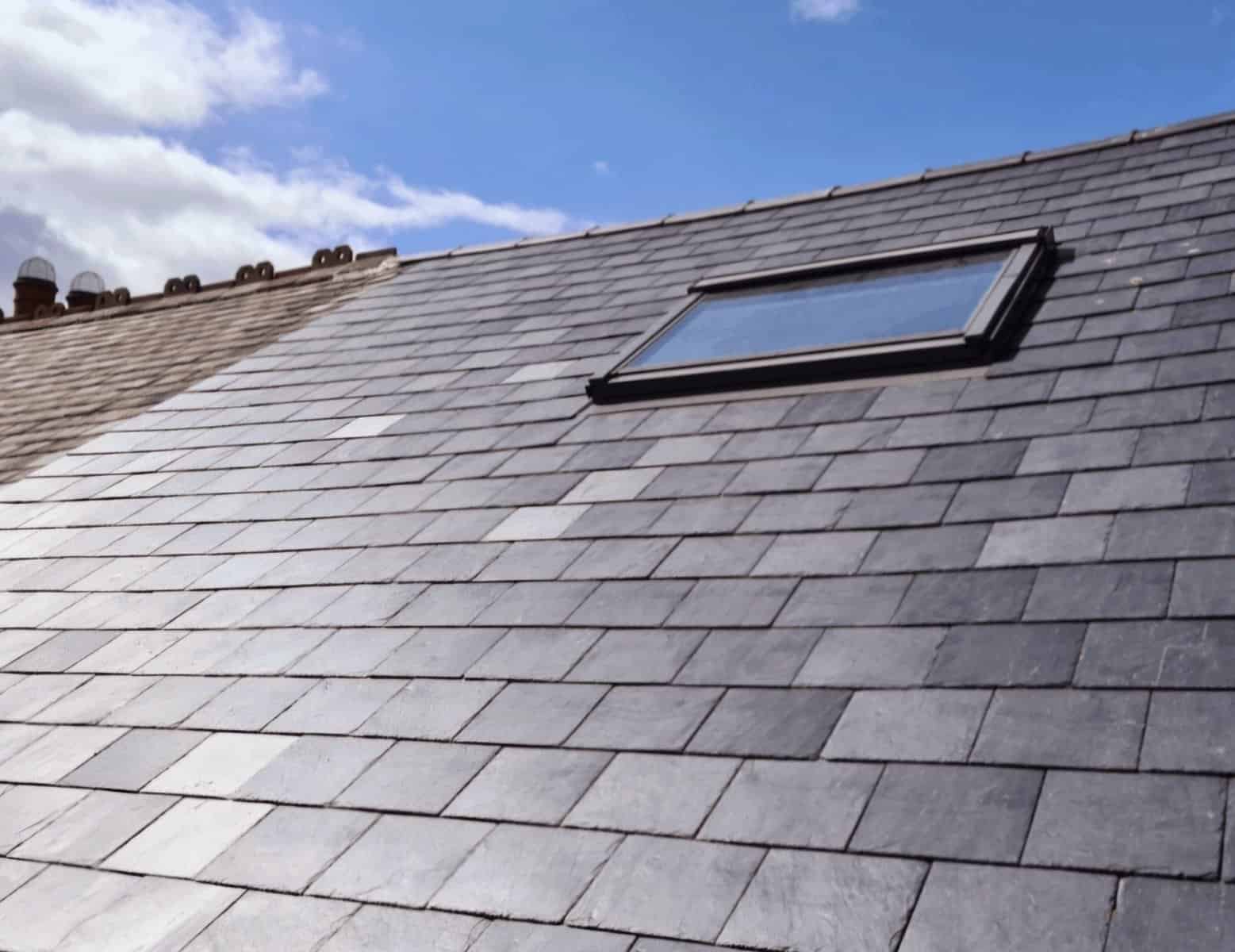
Most homeowners think rain, storms and wind are the biggest threats to their roof, but long-term exposure to sunlight is just as damaging. UV rays constantly break down roofing materials, causing them to fade, weaken and deteriorate over time. In the UK, especially during increasingly hotter summers, UV damage has become a growing issue for both old and new roofs. If left unaddressed, it can shorten your roof’s lifespan, increase the risk of leaks and lead to expensive repairs. This guide explores how UV radiation affects different roof materials, the signs of sun-related deterioration and what steps you can take to protect your home with help from RGS Roofing Services in Essex.
How UV Rays Affect Roof Materials
UV rays from the sun gradually wear down roofing materials by breaking apart the chemical structure of tiles, membranes and protective coatings. Even on overcast days, UV exposure continues, meaning damage accumulates in small but persistent ways. Over time, this leads to brittleness, colour loss, surface cracking and weakened waterproofing layers.
Pitched roofs, flat roofs and roofline components all experience UV stress, although different materials react differently. By understanding how each material is affected, you can plan timely maintenance to prevent deterioration.
UV Damage on Clay, Concrete and Slate Tiles
Clay tiles
Clay tiles are naturally strong and resistant to fading, but long-term UV exposure can gradually cause surface dryness and slight colour lightening. When exposed to extreme heat, clay tiles may also become more brittle.
Concrete tiles
Concrete tiles tend to suffer more severe UV fading, as their pigmentation reacts more quickly to sunlight. They may lose their top protective layer, making them more vulnerable to water absorption and moss growth.
Slate tiles
Slate is one of the most UV-resistant materials, but the wooden battens beneath can still deteriorate due to heat changes. UV exposure may also dry out older slate over several decades, making it more prone to cracking.
UV Damage on Flat Roof Systems
Flat roofs often face intense sun exposure because their low slope allows heat to concentrate on the surface.
EPDM rubber roofing
EPDM membranes are highly UV-resistant, but over many years, prolonged exposure can cause surface chalking or minor shrinkage if not maintained.
Felt and bitumen systems
Traditional felt roofs can crack, blister and become brittle from UV rays. This is one of the most common reasons older flat roofs fail.
Liquid coatings
Quality liquid roof systems perform well under UV, but cheaper products can peel or bubble if the coating begins to degrade.
Understanding how UV interacts with your specific flat roof material helps determine when inspections or resurfacing may be required.
UV Impact on Lead Flashing and Roofline Components
Lead flashing
Lead itself is UV-resistant, but the heat caused by sun exposure accelerates movement and expansion. Over time, this can cause stress cracks, lifting or failure in surrounding mortar.
UPVC roofline
Fascias, soffits and guttering can fade, discolour or become brittle due to prolonged UV exposure. This is especially common on older UPVC materials installed before improved UV stabilisers were used.
Painted timber
Timber exposed to UV light begins to dry out, peel or split, allowing moisture to penetrate and increasing the risk of rot.
Signs of UV Damage Homeowners Should Look For
Identifying sun-related roof damage early helps prevent costly repairs. Common signs include:
Faded or bleached roof tiles
Surface cracks or dryness
Curling edges on flat roof coverings
Chalking or white powdery residue on EPDM roofs
Brittle or discoloured UPVC fascia and soffits
Cracked, lifted or stressed lead flashing
Small blisters or bubbles on felt roofs
Increased moss or algae growth due to weakened protective layers
If you notice any of these signs, it may indicate that the roof’s protective surface has begun to deteriorate due to sun exposure.
Long-Term Risks of UV Damage
Ignoring UV deterioration can lead to:
Reduced lifespan of tiles or flat roof systems
Increased risk of water penetration
Loose or weakened roofing materials
Higher likelihood of leaks as surfaces crack
Decreased energy efficiency due to weakened insulation beneath sun-stressed areas
UV damage often develops slowly, meaning homeowners may not notice a problem until the roof begins to fail.
How to Protect Your Roof From UV Damage
Regular maintenance and timely repairs significantly slow down UV-related wear.
Routine inspections
Annual roof inspections help identify early signs of sun-related deterioration.
Resurfacing flat roofs
Liquid coatings or protective membranes add UV resistance to ageing flat roofs.
Cleaning and moss removal
Keeping the roof clean prevents weakened areas from decaying faster.
Repainting timber roofline
UV-resistant exterior paint protects fascias and soffits from cracking and dryness.
Replacing UV-damaged tiles or flashing
Timely replacement prevents small issues from turning into leaks.
Investing in quality materials
Modern tiles, EPDM and UPVC products include UV stabilisers that provide far better protection than materials from decades ago.
How RGS Roofing Services Protects Homes From UV Damage
RGS Roofing Services provides full roof inspections, maintenance and repairs to address UV damage across Hornchurch and Essex. Our team identifies early signs such as weakened membranes, brittle tiles, flashing movement and faded surfaces. We recommend cost-effective repairs or replacements that increase your roof’s UV resistance, ensuring long-term performance and safety.
Whether your flat roof needs resurfacing or your pitched roof shows signs of tile deterioration, we offer tailored solutions designed for the UK climate.
Quick Takeaways
UV damage accumulates slowly but weakens roofing materials over time
Flat roofs are especially vulnerable to cracking and blistering
Tiles can fade, dry out or become brittle from long-term exposure
UPVC roofline and flashing can deteriorate in strong sunlight
Regular inspections and timely repairs prevent UV-related leaks
RGS Roofing Services offers UV protection solutions for roofs in Essex
UV rays are an invisible but persistent threat to your roof’s health. Over many years, sunlight weakens roofing materials, reduces waterproofing and increases the risk of cracks, leaks and deterioration. By recognising the early signs of UV damage and investing in proper maintenance, you can significantly extend the lifespan of your roof.
For expert inspections, repairs or protective treatments against UV damage in Hornchurch or anywhere in Essex, contact RGS Roofing Services on 01708 702 216 or email rgsroofingservices@gmail.com today.
FAQs
How does UV damage my roof?
It weakens materials, causes fading, cracking and reduces waterproof protection.
Which roofing materials resist UV best?
Slate, EPDM and modern clay tiles perform very well.
Do flat roofs suffer more UV damage?
Yes, because they receive concentrated heat on a flat surface.
Can UV damage be repaired?
Yes, resurfacing, replacing materials and applying protective coatings all help.
How often should roofs be checked for UV wear?
At least once a year, or after long hot summers.