Written for homeowners in Essex considering work with RGS Roofing Services
Introduction
When the skies darken and the wind picks up across Essex, your roof becomes the frontline of defence. Storm and wind damage don’t always announce themselves with a bang — often the early warning signs are subtle, which means homeowners risk facing expensive repairs if they delay. In this article we’ll walk you through how to recognise damage, what steps to take, and how preventative maintenance by RGS Roofing can save you time, stress and money. You’ll learn: how to spot the signs, how to act, and how to significantly reduce future risk.
Why Checking for Storm & Wind Damage Matters
Storms and high winds in the UK can cause more than just cosmetic damage; they pose serious risks to the structure of your roof, the safety of your home, and your wallet. For example: insurer data show that heavy storms can trigger hundreds of millions in claims annually.
If damage goes unnoticed or unaddressed:
-
Water may find its way into walls and ceilings, leading to damp, mould or rot.
-
Detached or missing tiles/slates increase the risk not just to the roof but to people below.
-
Weak fascias, barge boards or gutters can lead to secondary damage such as collapsing gutters, blocked drainage, or internal flooding.
-
Insurance claims may fail if maintenance is neglected (insurers expect reasonable upkeep).
Tip: After any significant storm (strong winds, hail, heavy rainfall) schedule a quick roof inspection. A small problem identified today often costs a fraction of a major repair later.
Common Signs of Storm / Wind Damage to Roofs
Missing or Shifted Tiles/Slates
Wind uplift is one of the most common culprits. Tiles may be cracked, loosened or missing entirely — leaving the underlay exposed. For example, roofing guides emphasise that even if the roof looks intact externally, small displaced tiles can mask structural leaks.
Barge Boards / Fascias Ripped or Loosened
Your roofline (fascias, soffits, barge boards) bears the brunt of wind and debris. Once these are compromised, rain and wind can more easily intrude into eaves and roof voids.
Gutter Damage & Debris Accumulation
Storm-blown branches, leaves and other debris often clog gutters and downpipes; during heavy rain this leads to overflowing gutters and water back-up under roof tiles or into walls. This is especially relevant in the Essex/Hornchurch area with many mature trees.
Flat Roofs / EPDM Systems: Ponding, Membrane Tears
Flat or low-pitch roofs are especially vulnerable to wind-driven rain and ponding. Membranes (like EPDM) may split, seams lift, or water may pool and lead to leakage.
Debris Impact or Loosening of Flashings
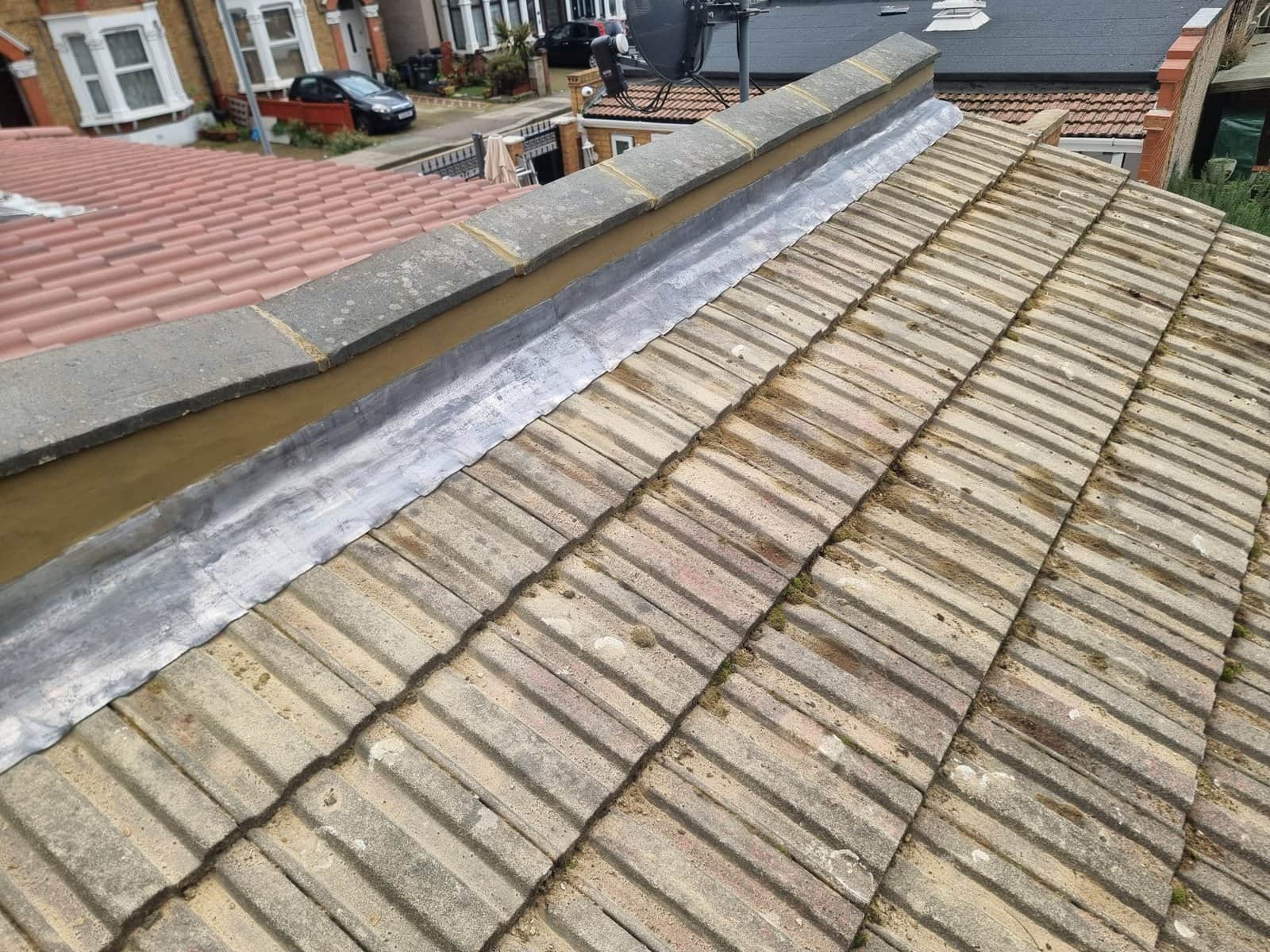
Storms often throw debris—branches, roofing materials, even gutter components. If heavy objects strike the roof, even a small dent or loosened flashing around a chimney/valley can lead to leaks later. Guides note that wind/hail damage may appear as “hidden issues” even if the roof looks intact.
Quick Takeaways:
-
A missing tile or cracked slate isn’t just cosmetic — it’s a potential entry point for water.
-
Roofline damage (fascias/soffits/gutters) often precedes bigger issues.
-
Flat roofs need special attention: ponding + membrane damage = high risk.
-
After storms, inspect not only the roofcovering but drainage, external fittings and debris.
What to Do If You Spot Damage
Immediate Safety & Temporary Measures
-
Ensure safety first: if tree branches are hanging, electrical cables are down, or scaffolding has been disturbed — keep clear and call professionals.
-
Cover exposed areas: If a tile is missing or flashing is lifted, a temporary waterproof covering (tarpaulin) can limit water penetration until full repair. But never attempt high-risk roof work yourself in storm conditions.
-
Document the damage: photographs, videos or notes help when dealing with insurers or communicating with your roofer.
Professional Inspection vs. DIY
A qualified roofer (such as RGS Roofing) brings:
-
A full survey of both visible and hidden damage (timber condition, underlay, flashing, etc).
-
Access equipment, scaffolding, and health & safety compliance.
-
A clear scope of work: what to repair now vs what can wait.
-
Advice on materials and methods suited to Essex’s climate (wind, rain, cold).
While simple tasks (clear debris, replace a slipped tile) might be DIY-able, many storm damage scenarios involve hidden risks — rotten battens, compromised structure, or insurance complications.
How RGS Roofing Services Handles These Jobs
At RGS Roofing:
-
We offer rapid call-out after storms in the Hornchurch/Essex area.
-
Full written inspection report with photos, recommended works and cost breakdown.
-
Skilled in repair & replacement of tiles, slates, barge boards, fascias, gutters, flat (EPDM) systems — one roof-line specialist for multiple issues.
-
Clear communication: what’s urgent, what’s optional, timings, warranties.
-
Support with insurance claims: providing documentation so your insurer can assess quickly.
Preventive Steps to Reduce Future Storm Damage
Routine Roof & Gutter Maintenance
-
Twice‐annual inspections (spring & autumn) to check for loosened tiles/braces, check gutters/downpipes for blockages, inspect roofline.
-
Clear moss/debris from pitched roofs; remove leaf build-up from gutters and valleys.
-
Check fascia/soffit stability, especially after storms with high winds or heavy rainfall.
This helps ensure your roof system remains robust, which reduces the risk of storm-driven damage.
Choosing Durable Materials & Secure Fixings
When repairs or renewals are needed, make sure:
-
Tiles/slates are high quality and fit for local wind zone.
-
Bargeboards/fascias are properly secured and finished.
-
Flat roofs use reputable membrane systems with correct fall and drainage.
-
Gutter/downpipe system is sized appropriately and fixed securely.
Using local knowledge (Essex weather patterns, local building styles) helps in selecting the right specification.
Why Local Knowledge Counts
Working with a local roofer like RGS Roofing means they understand:
-
Typical wind paths and exposure in Hornchurch/Essex.
-
Local tree coverage and how debris tends to affect roofs in your area.
-
Regional building materials and how storms have historically damaged homes.
This means your preventive maintenance and repair strategy is tailored, not generic.
Quick Takeaways:
-
Conduct regular maintenance checks (tiles, gutters, roofline).
-
Use materials and fixings suited to your area’s weather exposure.
-
Partner with a roofer familiar with Essex conditions for best outcomes.
How Much Does Storm Damage Repair Cost? (UK / Essex Context)
While every job is unique, here are broad cost-guides and influencing factors when you’re budgeting:
-
Minor tile replacement or loose flashing: relatively modest (£ hundreds) if accessible and isolated.
-
Moderate repair: multiple missing tiles/slates, minor structural timber check, gutter/soffit repair (£ low to mid-thousands).
-
Major repair/replacement: large areas of roof, combined structural timber or decking damage, full roofline/gutter replacement or flat roof system overhaul (£ several thousands upwards).
Key cost drivers:
-
Roof size & pitch — more area or steeper roofs increase labour/time.
-
Accessibility — scaffolding, difficult access add cost.
-
Material type — heritage slate/tiles cost more than standard modern ones.
-
Underlying damage — if the fix reveals timber rot, structural issues, the cost rises.
-
Urgency & weather — emergency call-outs or working in poor weather may cost more.
Insight: Investing in early inspection often saves thousands. A proactive check after a storm is far cheaper than waiting months while damage spreads.
Quick Takeaways
-
Storm & wind damage often hides behind what looks like a “fine” roof — missing tiles, loosened fascias or gutters are early warning signs.
-
Acting quickly (temporary cover + professional survey) reduces risk of water ingress, rot, insurance issues.
-
Routine maintenance and local-knowledge material/installation make a big difference for homeowners in Essex.
-
Cost escalates significantly when underlying damage is left unchecked — early action is cost-effective.
-
Partnering with a trusted local roofer (like RGS Roofing) gives you inspection, repair, documentation and peace of mind.
Conclusion
When storms strike, your roof is your home’s first line of defence — but it doesn’t always wave a red flag when damage strikes. By learning how to recognise the signs of storm & wind damage, taking the right immediate steps, and choosing the right roofing partner, you safeguard your home and budget. If you’re located in Hornchurch or anywhere across Essex and suspect storm damage, get in touch with RGS Roofing Services on 01708 702 216 or email rgsroofingservices@gmail.com for a professional inspection and reliable solutions. Don’t wait until the leak shows up inside — prevention wins.