Flat roofs are a staple in many modern homes and extensions — but when they’re not installed or maintained properly, they can become a significant headache. In this article we’ll explore why flat roof repair matters, particularly for systems using rubber membranes such as EPDM, and walk through the common issues, how to diagnose them, and what the best solutions are. Whether you’re looking at your garage roof, a single-storey extension or a commercial flat roof, you’ll learn how RGS Roofing Services in Essex approaches these jobs, and how you can recognise the signs early to avoid costly replacements.
Understanding Flat Roofs and EPDM/Rubber Systems
What is an EPDM or rubber roof system?
EPDM stands for ethylene propylene diene monomer — a synthetic rubber membrane widely used in flat roofing for its durability and waterproofing properties. It’s increasingly chosen as an alternative to older methods (like felt or asphalt) because it offers a longer lifespan, fewer joins, and reduced maintenance. For instance, one supplier notes EPDM’s lifespan at up to 50 years when correctly installed.
Why flat roofs need special consideration
Unlike pitched roofs, flat roofs have less slope (often just the minimum to allow water to drain) and rely heavily on good waterproofing, rapid drainage and correct detailing around penetrations (vents, drains, skylights). Because of their design, problems such as membrane damage or ponding can lead to leaks or structural issues far more quickly than on a pitched roof.
Rubber vs traditional flat roof materials
Whilst traditional flat roofs used felt, asphalt or built-up bitumen systems, rubber membranes offer a seamless sheet (or large sheet) approach, with fewer joints. That means fewer weak points. However, as one comparative analysis points out, EPDM and similar membranes still demand high installation standards — and any compromise in detailing or quality can reduce performance significantly.
Key takeaway: For homeowners in Essex facing flat roofs, EPDM (or equivalent rubber systems) present a strong option — but success depends on correct installation, suitable drainage and ongoing maintenance. As RGS Roofing Services can attest, the right job done now avoids bigger headaches later.
Common Issues in Flat/Rubber Roofs
In our experience at RGS Roofing Services, the most frequently encountered problems fall into the following categories:
Membrane tears or punctures
Rubber membranes, although resilient, can suffer punctures from falling debris, foot traffic, or inadequate substrate preparation. Even small tears can allow water ingress below the surface of the membrane, making detection harder and delay in repair more costly. One guide warns that leaks in EPDM roofs “often spread underneath the membrane and are difficult to pinpoint.”
Poor drainage / ponding water
Flat roofs must shed water efficiently. If drainage is blocked, falls are incorrect or over time, the roof sockets settle, water will pool (ponding). This standing water adds weight, increases UV exposure, and speeds up membrane deterioration. Condition-specific to rubber systems, ponding is a recurring cause of failure.
Aging adhesive or seam failure
Rubber systems rely on adhesives and proper seam detailing. Over time, adhesives can degrade, especially if inferior products were used or the environment is harsh (wind, UV, temperature swings). Seams may lift or wrinkle, creating vulnerable areas for water entry. Suppliers frequently emphasise the correct materials and primers for EPDM.
Flashing/leads around penetrations (chimneys, vents)
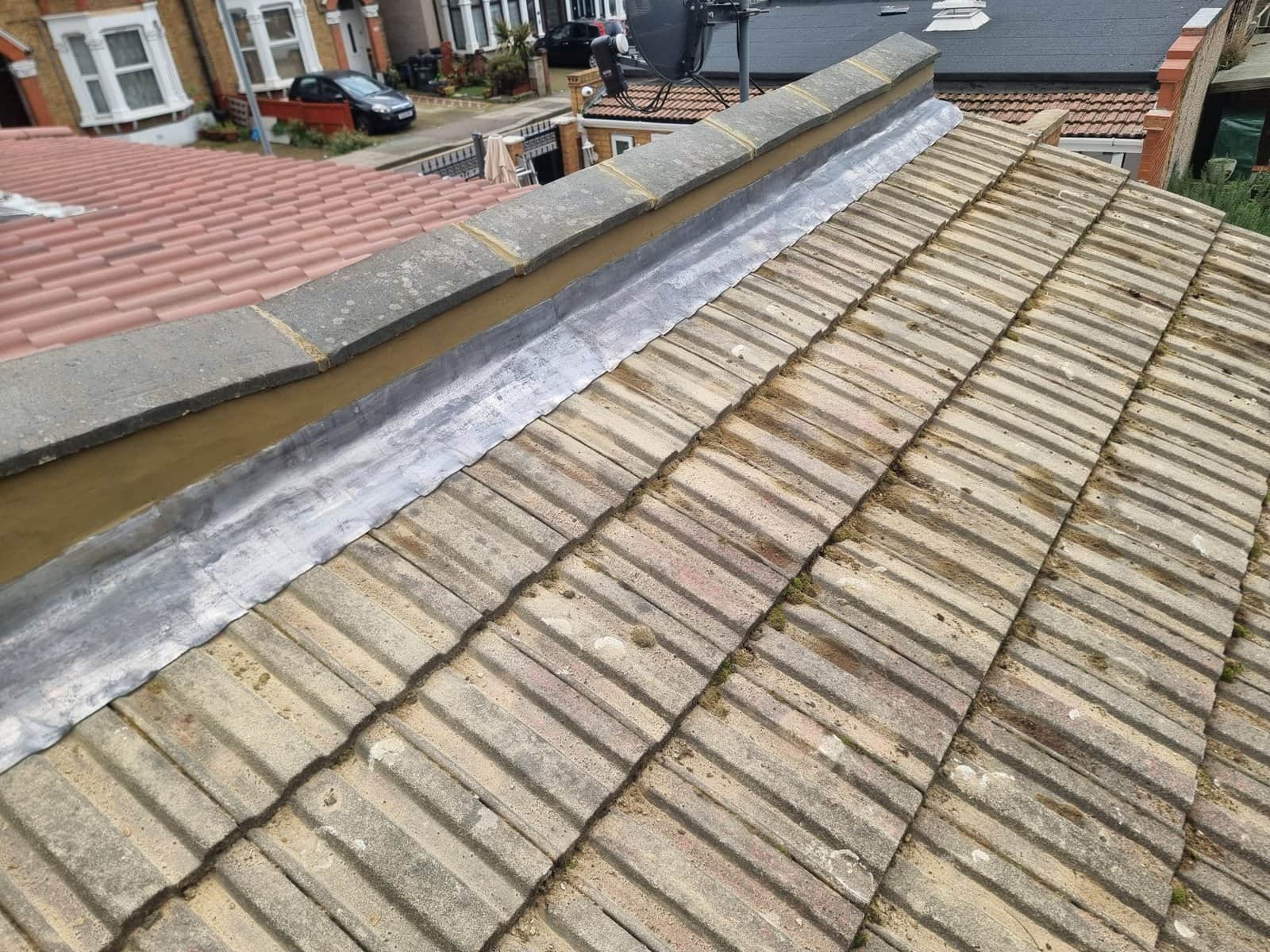
The transition zones — where the roof membrane meets chimneys, walls, skylights, or rooflights — are the most error-prone. If flashing is inadequate, not properly sealed, or has degraded, water can bypass the main membrane entirely. Regular inspection of flashings around penetrations is critical.
Substrate/structure issues
Often overlooked is the condition of the deck or structure beneath the membrane. If timber is rotten, substrate has moved, or the insulation has compressed, then the rubber membrane can fail prematurely. In our view at RGS Roofing Services, a full system inspection is justified when undertaking flat roof repair to identify hidden structural problems.
Quick Takeaways:
-
Look out for visible membrane damage (tears, holes) and check for ponding.
-
Ensure drainage is functioning and that fall is sufficient.
-
Flashings and seams are high-risk zones — inspect them carefully.
-
Even the best rubber roof fails if the substrate or structural deck is compromised.
How Professionals Inspect and Diagnose Flat Roof Faults
An accurate diagnosis is the foundation of a lasting repair. When RGS Roofing arrives on site, here’s how we approach it:
Step 1 – Visual external inspection
We start by looking for obvious signs: sagging rooflines, ponding, debris, lifts in membrane, compromised flashings, blocked drains or gutters around the flat roof area.
Step 2 – Internal check and attic/void examination
Where possible, we check from the underside of the roof. Signs of water staining, damp infiltration, mould growth or wood rot indicate the membrane may already have failed.
Step 3 – Detail inspection around penetrations and edges
We examine all the vulnerable zones: upstands, outlets, pipe penetrations, edge trims, transition areas. Often failures start here.
Step 4 – Substrate/structural assessment
We check whether the deck is stable, whether insulation is intact, and whether the membrane can drain properly. If necessary we lift small sections to verify.
Step 5 – Production of a report and recommendations
We provide a written scope: what is salvageable, what must be repaired/replaced, cost estimates, expected lifespan, recommended maintenance or monitoring. For example, we might advise that a damaged EPDM membrane still has 5-10 years lifespan if surface damage is localised and drainage is good, rather than a full replacement.
Why this thorough approach matters
Many homeowners think a flat roof “looks fine” and leave it for years. But by the time a leak appears, damage can already be extensive and hidden. A professional inspection allows proactive repair, which is financially much more sensible than reactive replacement.
Repair vs Full Replacement: How to Decide
When is it appropriate simply to repair and when should you replace the entire flat roof system? Here’s our breakdown:
When repair is viable
-
Damage is localised (e.g., a tear or seam lift in a small area)
-
Drainage and substrate appear sound
-
Membrane still has reasonable service life remaining
-
Cost is significantly lower and yields meaningful extension of lifespan
When replacement is the smarter move
-
Multiple areas of failure (tears, ponding, flashings)
-
Substrate is rotten, unstable or movement is evident
-
Membrane has passed typical lifespan (for many rubber systems ~25-30 years)
-
You are upgrading insulation, ventilation or want to change material system
Cost vs value insights
While repair may look cheaper, a patchy repair on a failing roof often leads to more repairs later. By contrast, replacing the system gives you a clean slate, reduced maintenance, and peace of mind. For homeowners in Essex, given our weather patterns (wind, rain, variable temperatures) we often recommend a 10-15 year horizon when weighing up repair vs replacement.
Material choice considerations
If replacing, assess whether you want to stay with an EPDM rubber system, move to another single-ply membrane, or upgrade to liquid coating system. The decision should consider lifespan, maintenance, and your budget.
Unique insight: One strategy we’ve adopted at RGS Roofing Services is to offer a “monitor & repair” schedule for flat roofs nearing end of life: carry out key repairs now (seams, flashings, drains) and schedule full replacement when it becomes necessary. This offers budget-phased risk management rather than “all at once”.
Best Practices for Long-Term Performance of Your Flat Roof
Proactive maintenance and correct installation combine to keep your flat roof functioning for decades. Here are our recommendations:
Maintenance schedule
-
Every 6 months inspect for debris, blockages, ponding water, signs of wear
-
Clean gutters, check outlets and scuppers for free flow
-
Check flashings, trims, membranes for lifts or wrinkles
-
After extreme weather (storms, heavy rainfall) inspect for damage
Installation quality matters
-
Ensure membrane laid with correct fall to outlets
-
Use qualified, experienced installers who work to manufacturer specs
-
Correct insulation & vapour barrier installation to avoid condensation and loss of substrate integrity
-
Choose reputable membrane manufacturer with warranty (many EPDM systems advertise 50-year life)
Choosing the right material for your property
-
Evaluate the environment (trees nearby, frequent foot traffic, access for maintenance)
-
If roof is used for access (e.g. for plant/equipment) ensure membrane can tolerate foot traffic or upgrade accordingly
-
If you want to convert into a roof-terrace or install solar PVs, choose a membrane system compatible with that use
Unique insight for Essex-based homes
In the Essex and Hornchurch area with its mix of older houses, extensions and variable weather, many flat roofs suffer from overlooked drainage or ageing trays/outlets. By scheduling periodic inspections every spring and autumn specifically targeting drainage and outlet integrity, you can add five-plus years to your roof’s life. At RGS Roofing Services we include a “drainage flow test” for flat roofs as part of our maintenance service — a small addition that often prevents major damage.
Quick Takeaways:
-
Regular inspections every 6 months keep small issues from becoming leaks.
-
Ensure installation is to manufacturer specification and with appropriate fall/drainage.
-
Choose material & installation suited to the property’s use and location environment.
-
Localised, phased repair programmes can extend the life of a flat roof cost-effectively.
Flat roofs have evolved — and so have the systems that protect them. A well-installed rubber membrane like EPDM can deliver decades of reliable service, but only if the installation is done properly, the substrate is sound, drainage is clear, and maintenance is routine. At RGS Roofing Services in Hornchurch, Essex, our specialist teams ensure all these elements are addressed — from the initial inspection through to long-term care. If you’re seeing signs of a flat roof issue, or it’s been more than a few years since your last check-up, call us on 01708 702 216 or email rgsroofingservices@gmail.com to discuss your flat roof. Don’t wait for the leak to show inside — well-timed maintenance and repair keeps your roof protected, your home dry and your costs down.