Choosing the right roofing material is one of the most important decisions a homeowner can make. Both clay tiles and traditional slate tiles offer durability, aesthetic appeal and long-term value, but each comes with its own strengths and considerations. Whether you’re planning a new roof installation, a restoration project or replacing damaged tiles, understanding the differences will help you make the best choice for your home.
In this guide, we break down the key differences between clay and slate, explore cost, lifespan, maintenance demands and suitability for Essex homes, and share useful insights from RGS Roofing Services based in Hornchurch.
An Overview of Clay Tile and Slate Roofing Systems
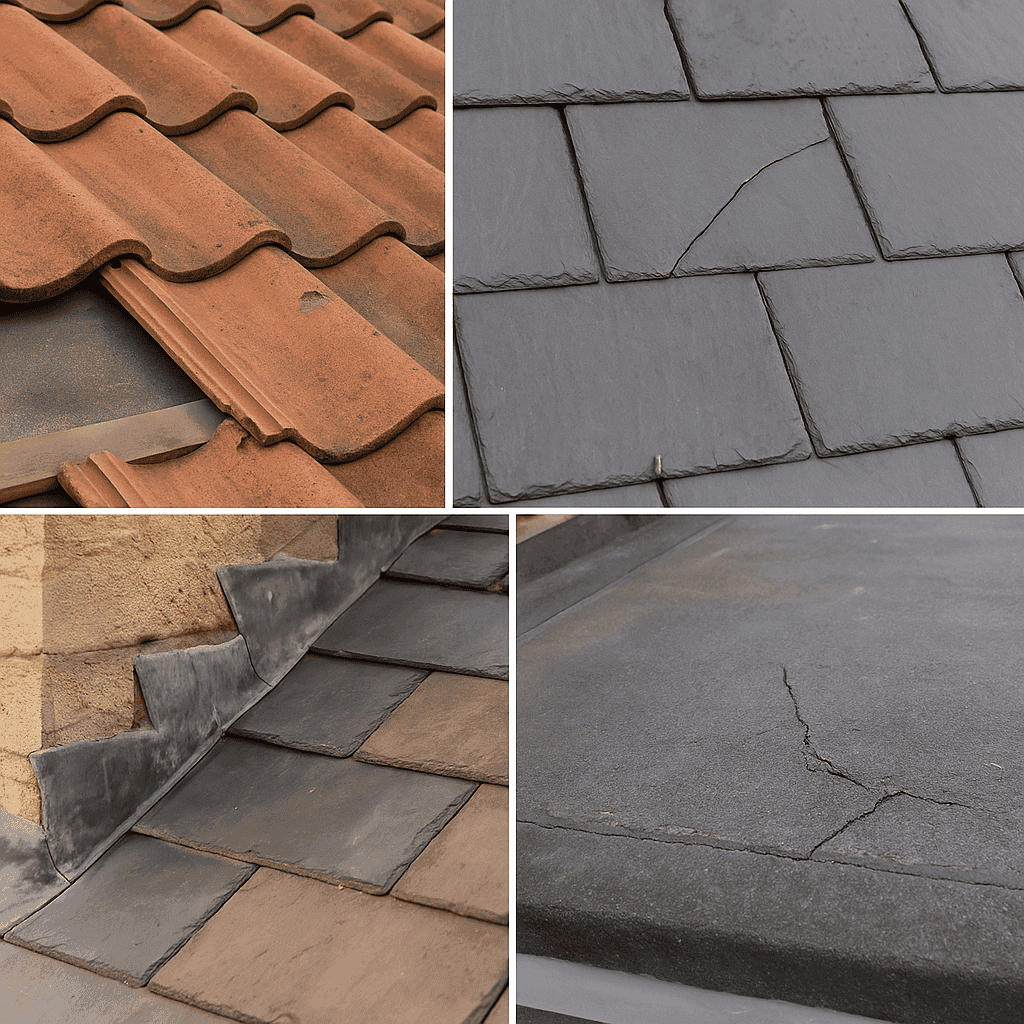
Clay tiles have been used for hundreds of years and remain one of the UK’s most popular choices. Known for their warm appearance and natural tones, they fit beautifully on a wide range of home styles.
Slate, on the other hand, is a natural stone material valued for its refined appearance, durability and classic character. Traditional slate tiles are commonly found on period homes and properties in heritage areas, but they are equally stunning on modern builds seeking an elegant finish.
The Advantages of Clay Roof Tiles
Clay tiles are fired at high temperatures, giving them exceptional strength and weather resistance. Their colour does not fade, even after decades of sun exposure.
Clay tiles offer excellent thermal performance, helping regulate indoor temperatures throughout the year. This makes them a strong choice for energy-conscious homeowners.
They are also cost-effective compared to natural slate and come in a variety of shapes, profiles and finishes, making them suitable for traditional and modern architectural styles.
Another significant advantage is durability in cold and wet climates. Clay tiles resist frost, algae growth and are capable of withstanding strong winds when properly installed.
The Advantages of Slate Roof Tiles
Slate roofing has a timeless beauty that many homeowners consider unmatched. Each slate tile is unique, formed naturally over millions of years.
One of its most significant benefits is its exceptional lifespan. A high-quality slate roof can last over 100 years with proper installation and maintenance, making it one of the longest-lasting roofing materials available.
Slate tiles are fire-resistant, environmentally friendly and require minimal maintenance. They also offer excellent waterproofing, thanks to their density and layered structure.
For heritage or conservation properties, slate is often the required or recommended material to maintain original character.
Drawbacks of Clay Tiles
Clay tiles, while popular and durable, still require consideration. They are heavier than many other roofing materials and may require assessment of the roof structure before installation.
Installation must be carried out by experienced roofers, as improper fitting can lead to issues such as lifted tiles, poor alignment or water ingress.
They are also more fragile under direct impact compared to slate, meaning falling branches or accidental foot traffic may crack them.
Drawbacks of Slate Tiles
Slate is one of the most premium roofing materials, meaning the initial cost is higher than clay or concrete tiles.
Its weight requires a strong roofing structure. If your home is not already built for slate, additional reinforcement may be necessary.
Slate tiles can be brittle, especially during installation, and require careful handling. Repairs typically require a skilled roofer familiar with traditional methods.
Lifespan and Cost Comparison
Clay roofs generally last between 50 and 75 years when installed correctly. They are long-lasting, resistant to fading and are available in various price ranges depending on style and finish.
Slate roofs, meanwhile, can last anywhere from 80 to over 100 years. Welsh slate, one of the highest quality slates, often outlasts the building itself.
In terms of cost, clay tiles are more affordable both in material price and installation costs. Slate is a premium product, with higher labour costs due to the skill required for proper installation.
When Clay Is the Better Choice
Clay tiles are ideal when homeowners want an attractive finish without the premium cost of slate. They work well on modern homes, extensions, Mediterranean-style designs and properties looking for a rustic, warm appearance.
They are also a smart option for homeowners wanting a long-lasting, low-maintenance roof that performs well in the UK climate. For Essex homes, clay tiles offer a great balance of affordability, performance and aesthetics.
When Slate Is the Better Choice
Slate is the preferred choice for heritage homes, older properties or those in conservation areas. It provides a traditional look that cannot be replicated by manufactured products.
If you plan to stay in your home for decades or want to maximise long-term value, slate offers unbeatable longevity. Its resistance to fire, frost, water and UV exposure makes it one of the most reliable materials available.
For high-end installations or properties seeking a refined architectural look, slate is unmatched in appearance and durability.
How RGS Roofing Services Helps Homeowners Choose
RGS Roofing Services works closely with homeowners across Hornchurch and Essex to assess their property, structure, style preferences and budget. Our team provides guidance on the best material for your home based on weather exposure, structural capability and maintenance expectations.
We offer full installation, repairs, replacements and inspections for both clay and slate roofs, ensuring every project is carried out to the highest professional standard.
Quick Takeaways
Clay tiles are cost-effective and visually versatile
Slate tiles provide unmatched longevity and a premium finish
Both materials are highly durable when properly installed
Clay suits modern homes and varied architectural styles
Slate is ideal for heritage properties and long-term value
RGS Roofing Services offers expert guidance for material selection
Conclusion
Choosing between clay and slate tiles depends on your home’s character, your long-term goals and your budget. Both materials offer excellent performance, but each shines in different ways. Clay is a flexible, affordable and attractive option for a wide range of homes, while slate provides a heritage aesthetic and exceptional longevity.
If you’re planning a roof installation or replacement in Hornchurch or anywhere across Essex, RGS Roofing Services can help you make the right choice. Our skilled team can assess your roof, explain the benefits of each material and provide a competitive quote.
Get in touch today on 01708 702 216 or email rgsroofingservices@gmail.com to schedule a consultation and ensure your home gets the durable, beautiful roof it deserves.